
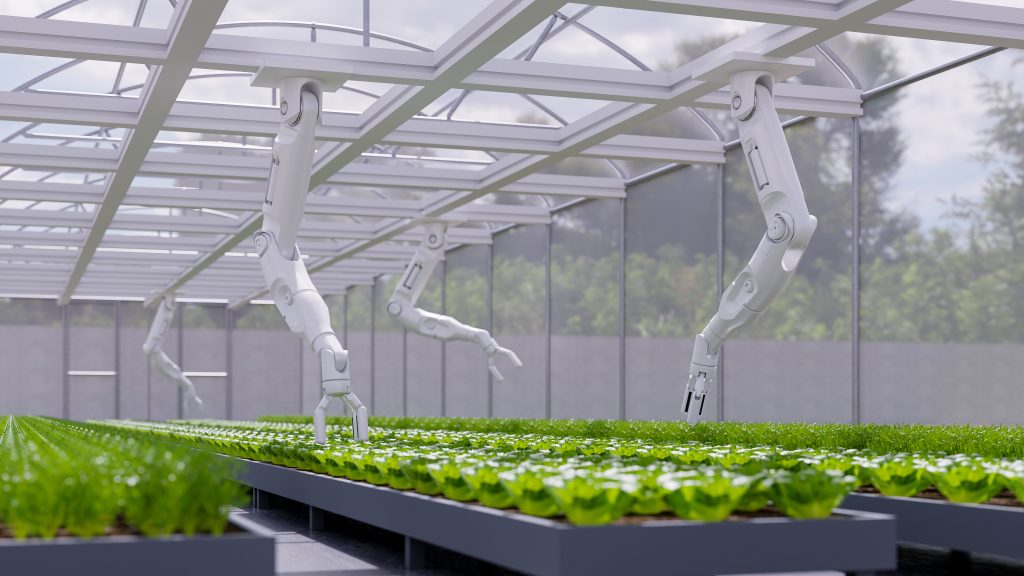
The fields of Southwestern Ontario have transformed into high-tech corridors. In regions like Leamington, Kingsville, and Norfolk County, the traditional view of agricultural land is becoming obsolete. As we move through 2026, the value of a property is increasingly found within its glass walls rather than the soil beneath them.
For many owners, there is a recurring fear of the “Specialized Asset” discount. You spend millions on automated systems only to have a generalist appraiser treat your facility like a basic warehouse. This disconnect leads to undervalued assets and restricted borrowing power. Understanding the nuances of a greenhouse property valuation is the first step toward securing your financial future.
Why Technology Density Trumps Land Size
In 2026, acreage is a secondary metric. A five-acre facility equipped with diffused glass, supplemental LED lighting, and AI-driven climate control often holds more market value than a fifty-acre traditional farm. We call this “Technology Density.”
When performing a commercial real estate appraisal, we look at how these systems extend the growing season and increase yield per square metre. If your facility allows for year-round production of high-value crops, its income-generating potential is vastly superior to seasonal operations. This shift requires a valuation approach that mirrors industrial manufacturing rather than legacy farming.
The Energy and Efficiency Squeeze
Energy costs are the single largest variable for Ontario operators today. Between fluctuating natural gas prices and 2026 carbon tax mandates, the efficiency of your facility is a direct driver of its value. An inefficient greenhouse is a liability, while an energy-optimized one is a premium asset.
Facilities utilizing biomass boilers, thermal screens, and heat storage tanks see a significant reduction in operating expenses. In the appraisal process, lower expenses lead to a higher Net Operating Income (NOI). When we apply market capitalization rates to that higher income, the resulting valuation reflects the true competitive advantage of your infrastructure.
For those who simply enjoy the aesthetic of these structures, French Creek Farmhouse offers a look at the personal passion behind greenhouse ownership. However, for the commercial operator, the focus remains strictly on the bottom line and thermal performance.
Cold Storage Facility Appraisal: Volume Over Area
The demand for cold chain logistics in Southwestern Ontario has never been higher. Yet, many owners struggle with the “Economic vs. Physical” occupancy trap. A cold storage facility might be physically full of pallets, but if those pallets represent low-margin, long-term storage, the economic value may be lower than a high-turnover facility.
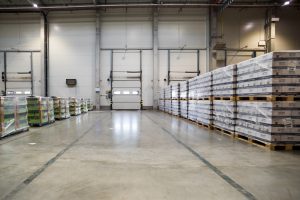
A professional cold storage facility appraisal focuses on cubic volume. Modern racking systems allow for staggering density. An appraiser must evaluate the “pallet position” capacity and the refrigeration plant’s redundancy. If your facility can maintain multiple temperature zones simultaneously, it commands a higher rent and, consequently, a higher market value.
Bridging the Lending Gap
One of the most common pain points for agri-business owners is the “Identity Crisis” during the lending process. Banks often struggle to decide if a high-tech greenhouse is a farm or a factory. This ambiguity can lead to conservative loan-to-value ratios that stifle your growth.
AACI-certified reports provide the institutional-grade data that Tier 1 lenders require. By documenting the specialized nature of the asset, we help lenders see the property as a “hybrid” industrial facility. This clarity often unlocks better interest rates and higher credit limits. It moves the conversation from “risky agricultural venture” to “stable industrial infrastructure.”
The Role of Market-Derived Data
In a specialized market, you cannot rely on broad statistics. You need data derived from actual sales and leases of similar high-tech facilities in Southwestern Ontario. This is where local expertise becomes vital.
We analyze the “Highest and Best Use” of the site. In some cases, the value of the land for future residential development might compete with its value as a greenhouse. A proper valuation weighs these options to ensure you aren’t leaving money on the table. It provides a defensible figure for insurance renewals, estate planning, or partnership buyouts.
Avoiding the Valuation “Hair-Trigger”
In 2026, property tax assessments and insurance premiums are under constant revision. An outdated appraisal can trigger a “hair-trigger” revaluation that catches you off guard. Regular valuation updates ensure that your insurance coverage matches your replacement cost and your tax burden remains fair.
If your facility has recently undergone a retrofit—such as switching to LED lighting or upgrading your CO2 dosing systems—your old appraisal is essentially worthless. These improvements add tangible value that must be documented to be recognized by stakeholders.
Strategic Steps for Asset Management
- Document Every Upgrade: Keep a detailed ledger of all capital improvements, focusing on energy-saving technology.
- Monitor Cubic Utilization: In cold storage, track your peak pallet positions to demonstrate the building’s maximum earning capacity.
- Start Early: Professional appraisals for specialized assets take time. Begin the process at least six months before you need to finalize financing.
- Demand AACI Credentials: Ensure your appraiser has the specific experience required for high-tech agricultural assets.
The Realex Difference
At Realex, we don’t just see glass and steel. We see a sophisticated business operation. Our team specializes in the technical nuances of the Southwestern Ontario market. We provide the clarity needed to navigate a complex economic environment.
Whether you are looking to refinance, sell, or simply understand your position in the 2026 market, we are here to help. Our reports meet the highest standards of professional practice, giving you the confidence to lead your business forward.
Conclusion: Data is Your Greatest Asset
The 2026 market for greenhouses and cold storage is defined by precision. The days of “rough estimates” based on acreage are gone. By investing in a professional valuation, you are arming yourself with the data needed to negotiate with lenders, insurers, and buyers.
Don’t let your specialized tech be discounted. Ensure your appraisal reflects the innovation and efficiency you have built into your facility. When you are ready to secure a defensible, data-driven valuation, our team is ready to assist.
FAQs
How long does a greenhouse property valuation take? Due to the technical nature of these assets, a thorough analysis usually takes three to five weeks. This includes site inspections, technology audits, and market comparable research.
Can an appraisal help me lower my property taxes? Yes. If your municipal assessment is based on incorrect data or ignores the agricultural exemptions available for greenhouse tech, an independent appraisal is your strongest evidence in an appeal.
Why is cold storage valued differently than dry storage? The cost of the refrigeration plant, insulated panels, and specialized flooring makes cold storage significantly more expensive to build and maintain. The valuation reflects this higher replacement cost and the premium rents these spaces command.
Do you value the business or just the real estate? For high-tech greenhouses, the two are often linked. While we focus on the real estate, we utilize the income approach, which considers the facility’s ability to generate revenue as a functioning agri-business.
Is an RCN report the same as a market valuation? No. A Replacement Cost New (RCN) report is used for insurance to determine the cost of rebuilding. A market valuation determines what the property would actually sell for in the current 2026 market.