
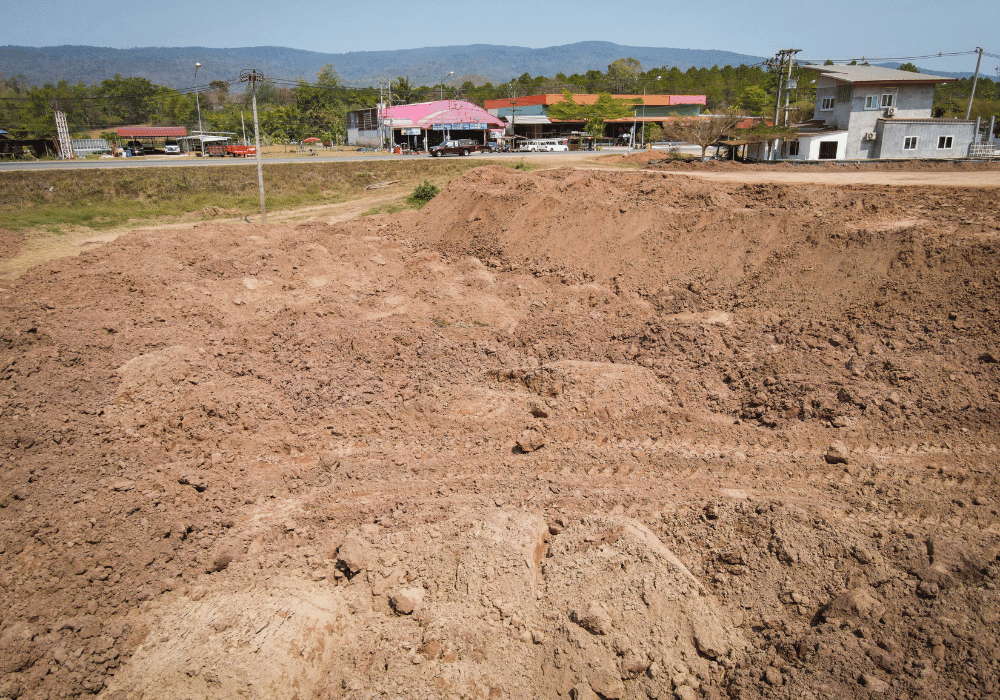
Developing real estate in Southwestern Ontario offers massive opportunities, but it also carries significant risk. Whether you are eyeing a rural parcel outside Chatham, expanding into London, or analyzing land in Windsor-Essex, understanding the real worth of the property is critical. Acquiring vacant land is not as simple as checking nearby residential sales.
A professional commercial property appraisal provides the objective, data-backed foundation needed to secure financing, negotiate acquisitions, and satisfy institutional lenders. At its core, commercial land valuation is a complex calculation of what the land is, what it can become, and how much capital it will take to get it there.
Navigating the “Highest and Best Use” Dilemma
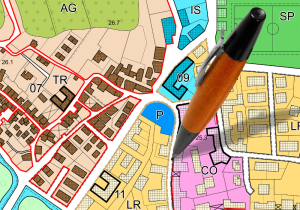 The first hurdle in land development is separating what you wish to build from what the market and municipality will actually allow. Appraisers determine value based on a fundamental principle known as Highest and Best Use (HBU).
HBU is the foundation of any land appraisal. It determines the most profitable, realistic use for a parcel of land. To find this value, an appraiser filters the property through four strict, sequential tests.
Legally Permissible
An appraiser reviews current municipal zoning, provincial policies, and local Official Plans. If you want to build a high-density apartment building on land zoned for light industrial use, that plan is not legally permissible today. The valuation must account for the time, cost, and likelihood of securing a zoning amendment.
Physically Possible
The physical characteristics of the site dictate its potential. An appraiser analyzes soil quality, topography, shape, frontage, and environmental constraints. For example, a 10-acre parcel with 5 acres of protected wetlands is physically limited, reducing the buildable footprint and the ultimate valuation.
Financially Feasible and Maximally Productive
The proposed development must generate enough revenue to cover the costs of land acquisition, construction, financing, and developer profit. Of all the financially viable options, the use that yields the highest net return to the land is selected as the Highest and Best Use.
How is Raw Land Valued in Ontario? Understanding the Methods
Developers frequently ask: how is raw land valued in Ontario? Appraisers generally rely on two primary methodologies to value vacant land, depending on the availability of market data and the stage of development.
The Direct Comparison Approach
This method compares the target property to similar parcels of land that have recently sold in the local market. Adjustments are made for differences in size, location, zoning, date of sale, and physical constraints.
In active markets like Middlesex or Elgin County, finding comparable sales of vacant commercial or industrial land is often straightforward. However, adjustments must be precise. A parcel with highway exposure in London commands a different premium than a similar-sized lot located miles from major transit corridors.
The Subdivision (Residual) Method
When a parcel is slated for subdivision or multi-unit development, the residual method is highly effective. The appraiser estimates the total value of the finished lots or completed units, then subtracts all development costs. These costs include servicing, roads, municipal fees, financing, and a reasonable profit margin for the developer.
The remaining balance -the “residue”- represents what a developer can reasonably afford to pay for the raw land. This approach is highly sensitive to fluctuating interest rates and material costs.
Avoiding the Trap of “Development Prices” for Agricultural Land
Southwestern Ontario contains some of the most productive agricultural land in Canada. For developers, this creates a frequent trap: buying active farmland at speculative “development prices” before securing the necessary planning approvals.
Sellers often demand a premium based on what the land could be worth in five or ten years. However, institutional lenders do not finance speculation.
Banks require conservative valuations based on the current state of the property. If you purchase raw acreage without municipal sewer hookups or zoning approvals, a bank will likely value it using an agricultural baseline.
Sellers may also have existing tenants farming the land under short-term leases. While this provides minor holding income, managing these agreements during the transition phase requires careful planning, as outlined in this guide on buying commercial property with existing tenants.
Valuing agricultural transition land requires deep regional expertise. An appraiser holding the Accredited Appraiser Canadian Institute (AACI) designation understands how to balance current crop yields and soil classifications against long-term development horizons.
The Hidden Expense: Infrastructure, Servicing, and Land Deficiencies
 The physical appeal of a vacant field can be incredibly deceptive. Many developers overlook the immense capital required to bring raw land to a buildable state. Appraisers look past the surface to identify costly land deficiencies that act as a direct discount on the final valuation.
- Municipal Servicing: Is there water, sanitary sewer, storm sewer, gas, and electricity at the lot line? Bringing services even a few hundred meters to a site can cost hundreds of thousands of dollars.
- Access and Roadways: Does the site have sufficient frontage on a publicly maintained road? Will the municipality require you to install turn lanes, traffic signals, or wider access points?
- Zoning and Development Charges: Municipal development charges in Southwestern Ontario have risen steadily. These fees must be subtracted from the speculative value of the land.
- Soil and Environmental Conditions: Poor load-bearing soil, high water tables, or historical contamination from previous industrial uses require expensive remediation.
When an appraiser calculates the value of development land, they deduct these projected infrastructure costs from the gross land value. A site that is fully serviced at the lot line is worth significantly more than an identical unserviced parcel, even if they sit right across the street from one another.
Minimizing Risk in Southwestern Ontario Real Estate Development
To succeed in the current economic environment, developers must base their acquisitions on market reality rather than optimistic assumptions. Working with qualified valuation professionals protects your capital and satisfies your lenders.
Securing expert consulting and advisory services early in your due diligence process helps identify zoning limitations, municipal service gaps, and realistic development timelines.
Our team of AACI-designated appraisers provides the objective, indefatigable market data required to support your projects across London, Chatham-Kent, Windsor, Sarnia, and the surrounding counties. Do not leave your land acquisition to guesswork.
Ready to secure an accurate, bank-approved valuation for your next land development project? Get in touch with RealEx today to discuss your commercial appraisal needs.
FAQs
How does zoning affect commercial land valuation in Ontario?
Zoning is the single most important legal factor in land valuation. It dictates what can be built, the maximum height, lot coverage, and parking requirements. If a property requires rezoning to achieve its highest and best use, the appraiser will adjust the value downward to account for the risk, cost, and time required to obtain municipal approvals.
What is the difference between raw land and serviced land?
Raw land has no infrastructure, utilities, or municipal services connected to the site. Serviced land has water, sanitary sewers, electricity, and gas lines installed to the property line, making it ready for immediate construction. Serviced land commands a substantial premium because the developer avoids the major capital expenditures and municipal delays associated with bringing utilities to the site.
Why do lenders require an AACI-certified appraisal for commercial land?
Lenders require an Accredited Appraiser Canadian Institute (AACI) designation because it represents the highest level of valuation training and professional standards in Canada. AACIs are qualified to value all commercial, industrial, agricultural, and residential land development properties, providing institutional lenders with reliable, unbiased reports that meet Canadian Uniform Standards of Professional Appraisal Practice (CUSPAP) standards.
What are the main physical factors that can decrease land value?
Physical factors that decrease land value include steep or irregular topography, poor load-bearing soil, high water tables, the presence of protected environmental wetlands, irregular lot shapes that limit building design, and a lack of road frontage or public access points.